Strategy and creative direction
Audience definition (who you actually need to hire), message work (what would make them leave a job they already have), and the creative concept that earns the watch.
Recruitment & Employer Brand
Cinematic hiring films and employer brand stories, built for the way your candidates actually watch.
The candidates you want are watching streaming TV, not job boards. They are not searching for you. They have a job already. The only way they hear about yours is when something on screen makes them stop scrolling and look.
Clix Studios builds recruitment video for St. Louis and Midwest employers solving exactly this problem. Cinematic hiring films and employer brand stories, shot with real employees at real facilities, paired with paid distribution targeted to where your candidates actually live. That might be metro St. Louis. It might be across Missouri and Metro East Illinois. For some of our clients, it is the entire Midwest or the national over-the-road network.
The studio is in Webster Groves. The crews travel wherever the work is. Production and media placement live under one roof, so the same team that shoots the film designs the distribution plan and reports on what it drove.
What's included
A recruitment video engagement at Clix Studios covers strategy through final delivery. Paid placement layers on top of the production work when the campaign needs to reach passive candidates at scale. The recruitment film is the hero asset; cut-down assets do the volume work across paid and owned channels.
Audience definition (who you actually need to hire), message work (what would make them leave a job they already have), and the creative concept that earns the watch.
Casting from your real employee base, location scouting at your actual facilities, shoot scheduling around production schedules so the work does not stop for the cameras.
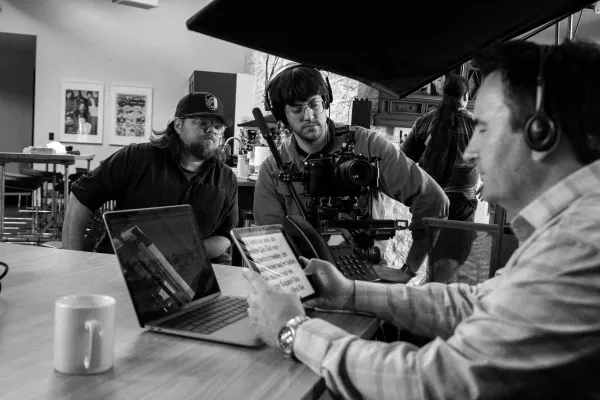
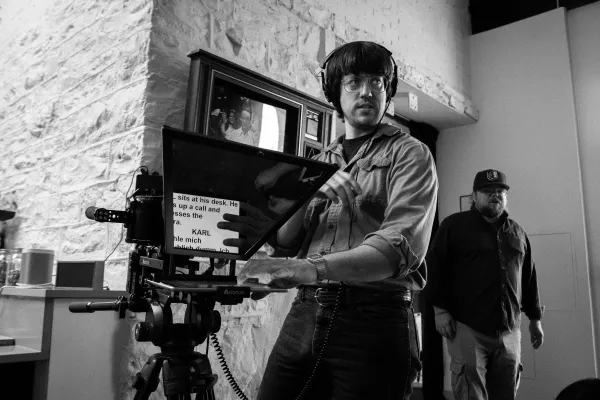
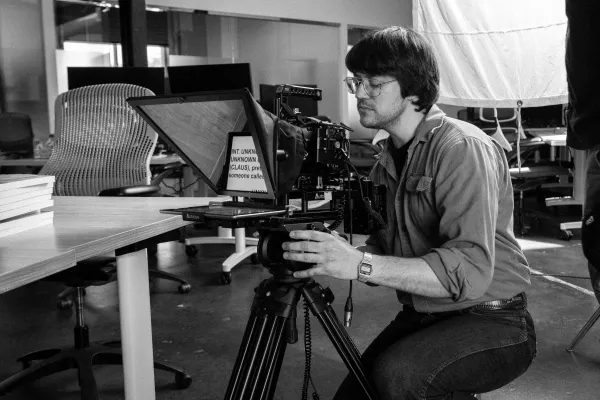
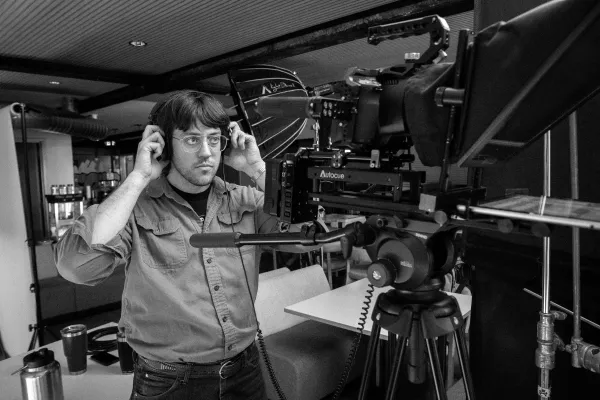
Cinema-grade capture with a multi-person crew. Cinematographer, sound, lighting, director. Multi-day shoots when the locations or roles warrant it. Aerial and time-lapse where the environment is the story.
Editorial, color, sound design, music, and motion graphics. Cut for the placements the film will actually run on: 60-second hero, 30-second CTV, 15-second pre-roll, 6-second bumper, vertical for social, and stills for paid display.
Paid placement on Connected TV, programmatic OTT, YouTube, LinkedIn, Meta, and TikTok. Audience targeting on roles, industries, geographies, and behavioral signals. Reporting tied to application starts, not just impressions.
Geography
Recruitment video has two geographies that often get confused. Where the client is headquartered is one. Where the candidates the client needs to hire actually live is another. The page strategy below answers both.
601 E. Lockwood Ave., Webster Groves, MO. The studio, the post suites, and the media buying desk are all in metro St. Louis. Most of our recruitment clients are headquartered in Missouri, Illinois, or the broader Midwest.
Wherever the work is. We travel routinely for recruitment shoots: manufacturing plants across the Midwest, distribution centers and trucking terminals along the I-70 and I-44 corridors, healthcare systems in regional metros, corporate offices in cities our clients operate out of. The crew packs and goes. Shoot days do not get capped by zip code.
Wherever the roles need filled. For a Missouri-headquartered logistics company recruiting drivers, the candidate targeting is the national over-the-road network, not just St. Louis. For a regional healthcare system recruiting nurses, the candidate targeting is the catchment area for the specific facilities hiring. For a Midwest manufacturer recruiting plant operators, the candidate targeting is the labor market within reasonable commute of the plant.
The studio location is local. The reach of the work is not.
The case
The candidates worth hiring are passive. The active applicants flooding most job postings are a small slice of the talent pool, and rarely the most qualified slice. Reaching the passive ones means showing up where they already spend time, with something that gives them a reason to consider leaving where they are.
Job listings cannot do that. They describe a role. A recruitment video shows the room, the people, the work, and the reason it matters. It humanizes what the JD reduces to bullet points.
When a recruitment film runs on Connected TV or streaming, it lands in the same brand-safe environment a candidate watches their evening shows. Targeted by role, industry, and geography, the spend goes only to the audience that could plausibly fill the seat. Candidates who self-select in after watching an honest portrayal of the work also tend to stay longer than candidates hired from anonymous listings.
Approach
We borrow from documentary and brand film, not from corporate stock footage. The production approach is built around what audiences actually believe in the first three seconds.
The people on camera are the people doing the job. We coach them to be themselves, not to read lines. Audiences detect actors playing employees in the first three seconds.
Plants, terminals, warehouses, fields, offices, hospitals, classrooms. The texture of the actual workplace does more for candidate trust than any voice-over. We work around production schedules and safety requirements, not against them.
The crew is briefed to roll on interactions that happen between setups. The line about why someone has been at the company for fifteen years almost always comes when the slate is down.
A recruitment film that lives only on the careers page is a film that ran out of work after one viewing. The post team plans cut-downs at the edit-decision-list stage so the same shoot generates a hero film, CTV cuts, social verticals, and paid pre-roll.
Cinematic recruitment films perform measurably better than corporate videos because they read as real, not as marketing. We score by hand and grade every cut to taste.
Why both, in-house
The agency that produced the film hands off a master file. HR posts it to YouTube and the company LinkedIn. A few hundred views accumulate over six months. The hire that justified the budget never happens because the right candidates never saw it.
At Clix Studios, the same team that shot the film designs the distribution plan: which platforms, which audiences, which geographies, which cuts run where. The high-leverage channels we run for recruitment are Connected TV and OTT (Hulu, Roku, Paramount+, ESPN+ for trades, sports, and skilled labor), YouTube pre-roll, LinkedIn (white-collar roles and management), and programmatic display retargeting for anyone who watched but did not apply.
For the deeper version of how the buy works, see our performance CTV and OTT advertising pillar page .
Featured case

Witte Bros is a Missouri-rooted trucking and logistics operator headquartered outside St. Louis, with a driver-recruitment challenge familiar to any carrier in the country. Drivers are not on job boards. They are on the road, in their cabs, watching streaming on layovers anywhere from the Midwest to the national OTR network.
Clix Studios built a recruitment-focused OTT campaign for Witte Bros. The creative was shot with actual Witte Bros drivers at actual Witte Bros facilities, framed to communicate what makes Witte different from the dozens of carriers competing for the same talent. The spot was then placed on Connected TV inventory targeted to the audiences and geographies most likely to convert into applications.
The Witte Bros work is a model for how recruitment video performs when production and distribution are connected. The same logic applies to Midwest manufacturers, regional healthcare systems, skilled trades operators across Missouri and the surrounding states, hospitality groups, and any role where the talent pool watches more streaming than they spend on job boards.
Roles & industries
Recruitment video performs best when the role is hard to fill, the workplace is genuinely worth showing, and the candidate pool is large enough that targeted media can find them. Common fits we see:
Logistics
Drivers, mechanics, dispatchers, warehouse leadership. Particularly common in Missouri and along the I-70 and I-44 freight corridors. Witte Bros is the model.
Industrial
Plant operators, machinists, welders, electricians, technicians. The Midwest manufacturing belt is dense with employers competing for the same skilled trades pool. Connected TV reaches that pool in ways LinkedIn does not.
Healthcare
Nurses, technicians, allied health, support roles. Regional health systems across Missouri, Illinois, and adjacent Midwest states compete for finite local candidate pools. CTV-targeted recruitment expands the search radius without losing relevance.
Hospitality
Frontline and management. High turnover in St. Louis and other regional metros makes recruitment video a continuous spend, not a one-time project.
Higher Ed
Faculty, research staff, specialized roles. Universities and research institutions across the region. Employer brand video doubles as institutional brand video.
Public
Roles that compete with private-sector pay through mission and culture, where storytelling does the differentiating. Local and state government, municipal utilities, regional cooperatives.
Tech
Engineering, product, sales leadership at Midwest-headquartered companies. Where LinkedIn alone has plateaued and CTV expands reach into adjacent metros.
Different role?
What makes us different
Production and media placement under one roof. The creative gets engineered for the platform from the script stage, not adapted afterward. Performance data feeds the next round.
18 years behind the lens. 340+ films produced. Telly- and Aurora-recognized. Recruitment films that look like brand films perform like brand films.
We do not bring in actors and call them employees. The people on screen do the job they describe.
One shoot generates the hero film, CTV cuts at 15s, 30s, and 60s, social verticals, and pre-roll. Production budget gets amortized across channels instead of locked into a single asset.
Standard reporting covers reach, completion rate, and click-throughs to your apply page. For larger campaigns we tie back to application starts and qualified-applicant counts in your ATS.
FAQ
No. Clix Studios is based in Webster Groves and most of our recruitment clients are headquartered in Missouri, Illinois, or the broader Midwest, but the shoot can happen anywhere your operations are. Crews travel routinely for recruitment shoots at manufacturing plants, distribution centers, healthcare facilities, and corporate offices across the country. The studio is the home base. The work is wherever the work is.
Recruitment video production at Clix Studios scales with the shoot. A single-location, single-shoot-day recruitment film with cut-downs for paid runs in one defined range. Multi-location campaigns covering several roles and facilities run higher. Paid distribution is budgeted separately and scales with reach goals. Share the scope and the studio will scope a project that fits the budget. Discovery calls are free.
A typical recruitment video project runs four to eight weeks from kickoff to final delivery. Pre-production and casting from your employee base usually takes one to two weeks. Production is often one to three shoot days. Post-production runs two to four weeks including editorial, color, sound, and revision rounds. Tighter timelines are possible when the scope is contained.
The terms overlap. A recruitment video is usually tied to a specific role or hiring push and built to drive applications. An employer brand video is broader, tells the company's story as a place to work, and supports recruitment across many roles over time. Clix Studios builds both. In practice, the same shoot often produces a hero employer brand film plus role-specific recruitment cuts.
Always from your team unless you specifically ask otherwise. The whole point of recruitment video is authenticity. Audiences detect actors playing employees in the first few seconds, and the credibility damage is hard to recover from. We work with you to identify employees who tell the story well and we coach them on camera. The on-screen people doing the work are the on-screen people doing the work.
Yes, usually. A 90-second hero film for the careers page is too long for Connected TV and too long for paid pre-roll. The post team builds the cut-downs at the edit-decision-list stage so one shoot produces the hero film, 15-second CTV cuts, 30-second CTV cuts, vertical social cuts, and bumper assets. The cost of cutting variants from one production is a small fraction of producing them separately.
Both. Clix Studios produces the creative and places it. For recruitment specifically, the high-leverage paid channels are Connected TV, OTT, YouTube pre-roll, LinkedIn, and programmatic display. Targeting is by role, industry, geography, and behavioral signal. Reporting ties spend back to application starts in your ATS when access is available.
The honest answer is that attribution at the hire level is imperfect in any channel. What we can measure cleanly: reach against your target audience, video completion rate, click-throughs to your apply page, and application starts when conversion tracking is implemented. For larger campaigns we work with your talent team to track applications that originate from the campaign through to qualified-applicant and hired stages in your ATS.
Most likely yes, but with honest framing about where the channel does and does not perform. Recruitment video tends to pay off when the role is hard to fill, the candidate pool is large enough that targeted media finds it, and the workplace has something genuinely worth showing. This describes most Midwest manufacturers, logistics operators, regional healthcare systems, hospitality groups, and skilled-trades employers we work with. It tends to underperform for very small candidate pools (single specialized executive searches) or when the underlying job is the problem, not the visibility.
Share a few details about the role you need to fill, where your candidates need to come from, and the timeline. The studio will reach out within one business day. Eighteen years behind the lens. 340+ films produced. Production and media placement under one roof, in Webster Groves.
The team
Clix Studios is a small team by design. The people who plan your project are the same ones who shoot it, cut it, and see it through — start to finish.
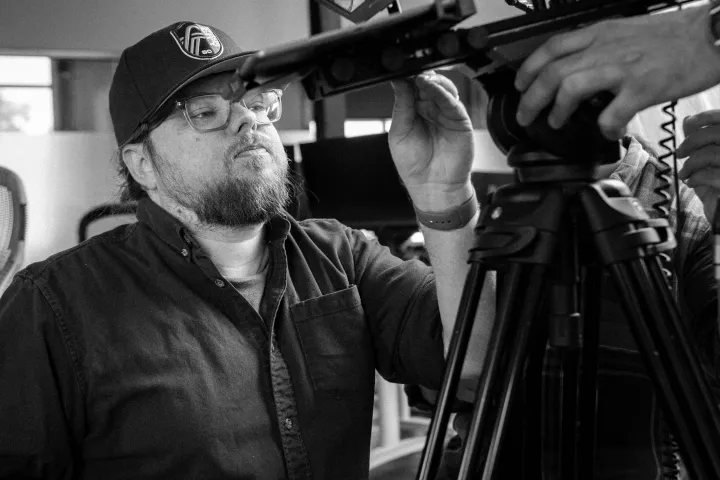
Producer / Director
A full career in video production and seven years as the creative engine at Clix. Matt produces and directs brand films, commercials, and CTV/OTT campaigns across healthcare, manufacturing, retail, and beyond — building every message around what the audience actually needs to hear.
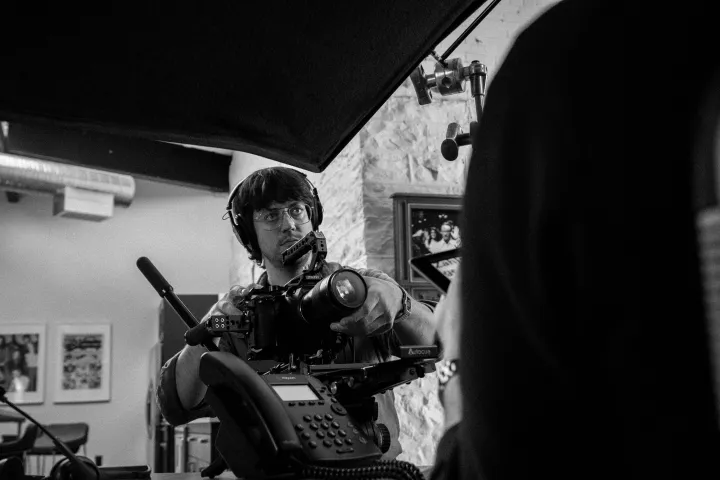
Clix Studios
Full bio on the way. In the meantime, you'll find Brock on the other side of the lens on most Clix shoots — part of the small crew that carries every project from first frame to final cut.
Experience & expertise
Between them, the crew brings nearly two decades behind the lens, 340+ films, and work recognized by the Telly and Aurora Awards. The same hands script, shoot, direct, color, and finish every project — no handoffs, no juniors learning on your budget. It's why the work stays consistent from the first conversation to the final cut.